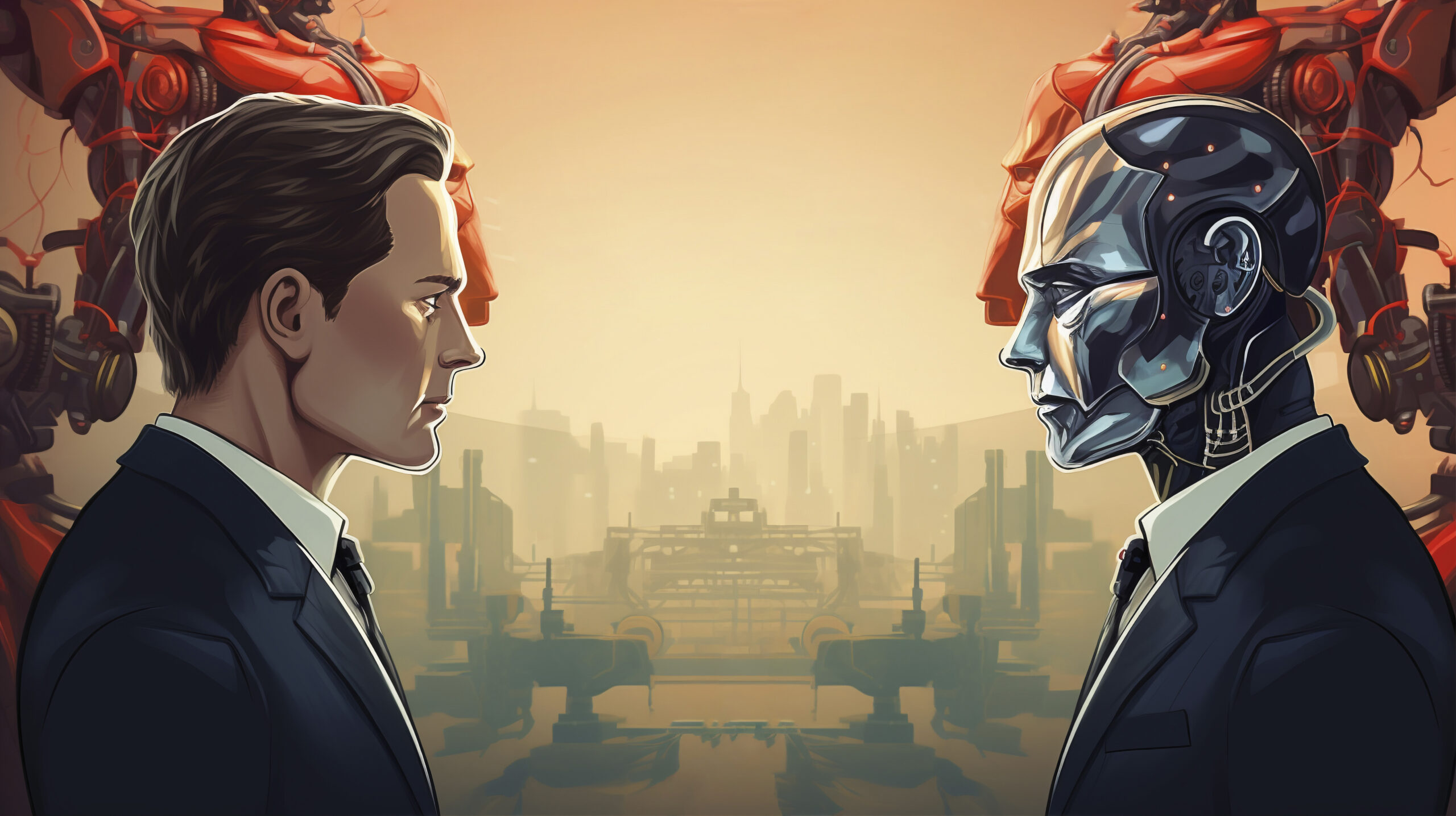
AI vs Human Work: What’s the Future? (SEO Optimized Article)
Introduction
The rise of Artificial Intelligence (AI) has sparked a global debate: will machines replace humans at work? In 2026, AI is already transforming industries, automating tasks, and improving efficiency. However, the future is not simply AI vs humans—it’s about how both can work together.
Understanding AI in the Workplace
AI refers to systems that can perform tasks requiring human intelligence, such as decision-making, problem-solving, and communication. Tools like ChatGPT are already being used for writing, coding, and customer support.
Companies like OpenAI are continuously improving AI capabilities, making it more powerful and accessible.
Strengths of AI
1. Speed and Efficiency
AI can process large amounts of data in seconds, something humans cannot match.
2. Automation of Repetitive Tasks
AI is excellent at handling repetitive work such as data entry, scheduling, and basic customer queries.
3. 24/7 Availability
Unlike humans, AI systems can work continuously without breaks.
Strengths of Humans
1. Creativity
Humans can think creatively, generate new ideas, and innovate beyond patterns.
2. Emotional Intelligence
Humans understand emotions, empathy, and relationships—areas where AI still struggles.
3. Critical Thinking
Humans can analyze complex situations and make ethical decisions.
Will AI Replace Human Jobs?
AI will replace some jobs, especially those involving repetitive tasks. However, it will also create new opportunities in fields like:
- AI development
- Data analysis
- Digital marketing
- Content creation
The key is adaptation—learning new skills to stay relevant.
Jobs Most Likely to Be Automated
- Data entry
- Basic customer support
- Routine manufacturing tasks
Jobs That Will Remain Human-Focused
- Healthcare professionals
- Teachers
- Creative roles
- Leadership positions
The Future: Collaboration, Not Competition
The future of work is not about AI replacing humans but about collaboration. AI will act as a tool to enhance human capabilities.
For example:
- Writers use AI for research and drafting
- Designers use AI for faster creation
- Businesses use AI for decision-making support
How to Stay Relevant in the AI Era
1. Learn New Skills
Focus on skills that AI cannot easily replace, such as creativity and communication.
2. Use AI as a Tool
Instead of fearing AI, learn how to use tools like ChatGPT to improve productivity.
3. Keep Adapting
Technology evolves quickly, so continuous learning is essential.
Benefits of AI-Human Collaboration
- Increased productivity
- Better decision-making
- Faster innovation
- Improved work-life balance
Challenges and Concerns
- Job displacement
- Ethical issues
- Data privacy risks
Addressing these challenges is crucial for a balanced future.
Conclusion
The future of AI vs human work is not a battle—it’s a partnership. While AI will automate many tasks, humans will remain essential for creativity, emotion, and decision-making. Those who adapt and learn to work alongside AI will thrive in the future job market.
Leave a Reply